
How to Choose a Beverage Supplier for Wholesale & Private Label
Choosing the right beverage supplier is an important decision for wholesalers, distributors, foodservice businesses, retailers, and companies developing their own beverage brands. A suitable supplier should offer more than an attractive product. Buyers should also evaluate manufacturing capabilities, food safety standards, raw material origins, product specifications, packaging, OEM or private-label services, and the ability to support long-term business requirements.
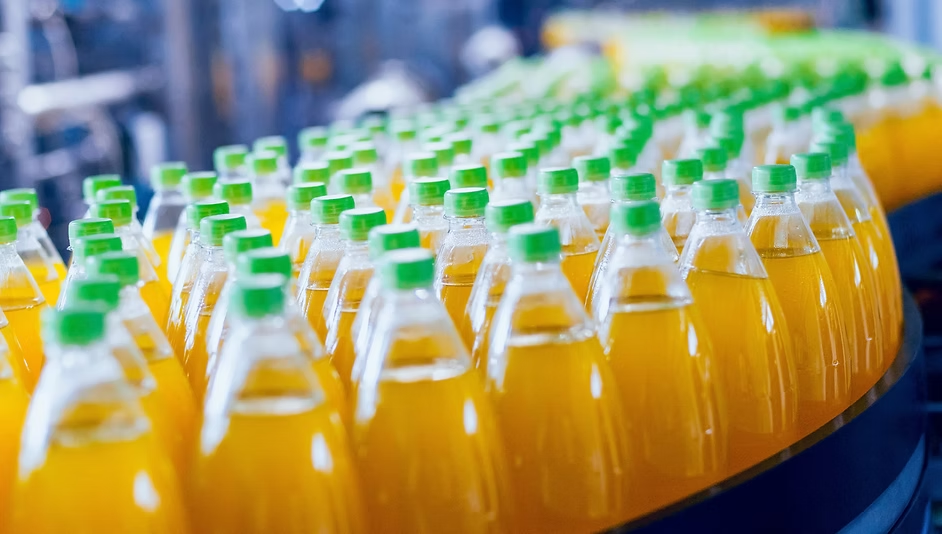
Food Farm Hub brings together beverage suppliers and products for B2B sourcing, including tea products, beverage powders, fruit-based ingredients, dairy ingredients, and specialty beverage products. The following factors can help buyers evaluate beverage suppliers more effectively.
Check the Supplier's Manufacturing Capability
The first step is to understand what the supplier actually does. A company may be a manufacturer, wholesaler, exporter, or a combination of these. Buyers should check whether the supplier has the production capabilities required for their business and whether its broader product portfolio matches their sourcing needs.
Chongcha88: Premium Tea Products from Thailand
ChongCha88, by CCL Manufacturing, is a Thailand-based producer and wholesaler of premium tea products. The company selects raw materials from various origins and controls the tea-making process under certified quality standards. Its stated certifications include GHPs & HACCP, Halal, and Thai FDA, and the company also offers OEM services for custom product development.
Its portfolio on Food Farm Hub extends beyond a single tea product and includes Hojicha Powder, Thai Tea Powder, Thai Tea Premium, Oolong Green Tea, Kombucha Powder, Matcha Powder, Taiwanese Black Tea, Ceylon Black Tea, Jasmine Green Tea, and Southern Thai Tea.
Review Food Safety Certifications and Quality Standards
Food safety should be one of the first criteria when selecting a beverage supplier, particularly for wholesale, private-label, and international markets.
Buyers should review applicable certifications and quality systems and confirm that they are relevant to the products being sourced. Depending on the market and product type, certifications may include HACCP, GHP/GMP, Halal, or local food regulatory requirements.
For example, Chongcha88 identifies GHPs & HACCP, Halal, and Thai FDA as part of its quality and regulatory credentials. These certifications provide useful information for buyers assessing a supplier's food safety and production standards.
However, buyers should always confirm the current certification status, scope, and applicability directly with the supplier before making a purchasing decision.
Check Raw Material Origin
A supplier's country does not necessarily mean that all of its raw materials originate from that country. This is particularly important for tea and other agricultural ingredients.
Chongcha88 provides a good example of international sourcing. Its Uji Matcha Powder is described as pure matcha from Japan, while its Ceylon Black Tea products are imported from Sri Lanka. The supplier also offers Taiwanese tea products.
For private-label and export businesses, buyers should therefore distinguish between:
Supplier location
Manufacturing location
Raw material origin
Country of origin of the finished product
Processing or blending location
This information can affect labeling, import documentation, product positioning, and destination-market requirements.
Look Beyond a Single Product
A supplier with a broader portfolio may be more useful to a growing beverage business than a supplier focused on only one SKU. A diverse product range can provide opportunities for product expansion, cross-selling, and future sourcing requirements.
Chongcha88, for example, offers multiple tea formats, including powders, blended teas, syrups, specialty teas, matcha, and tea products for different beverage applications. Its portfolio includes products such as Hojicha Powder, Black Tea Powder for Fruity Tea, Thai Tea Premium Syrup, Milk Green Tea Premium, Oolong Green Tea, and Taiwanese Black Tea Powder for Boba Milk Tea.
Looking at the overall portfolio helps buyers understand whether a supplier can potentially support future product development rather than only fulfilling one immediate order.
Evaluate OEM and Private-Label Capability
For businesses developing their own beverage brands, OEM and private-label capability can be more important than simply finding an existing product.
Before selecting a supplier, buyers should ask about:
Custom product development
Formulation options
Private-label packaging
Available pack sizes
Branding requirements
Minimum order quantities
Production lead times
Product customization
Chongcha88 states that it offers OEM services for custom product development under the buyer's brand. This makes OEM capability an important consideration for businesses that want to develop branded tea or beverage products rather than simply resell standard products.
Consider the Supplier's Broader Ingredient Capabilities
Not every beverage business needs a finished drink. Manufacturers may instead require powdered ingredients, fruit ingredients, dairy ingredients, or other components for their own formulations.
Thai Foods Product International: Powdered Food and Beverage Specialist
Thai Foods Product International Co., Ltd. is a Thai manufacturer and exporter with more than 20 years of experience. Its business covers food ingredients, food additives, foods and beverages in powder form, dairy powder, juice powder, and related product categories.
Its portfolio on Food Farm Hub includes Freeze-Dried Durian Powder, Instant Mango Juice Powder, Coconut Cream Milk Powder, Whole Milk Powder, and Alltime 3-in-1 Instant Powder Drink, among other food and beverage ingredients.
This is a useful example of why buyers should assess the supplier's overall capabilities rather than judging a company from one product listing.
Check Product Specifications and Packaging
Product specifications should match the buyer's intended application and sales channel. Important details can include ingredient composition, product format, pack size, packaging type, shelf life, storage conditions, and available bulk formats.
For example, Thai Foods Product International supplies products in different formats, including ingredient bags and bulk packaging, depending on the product. Buyers should confirm the exact specification and packaging available for their required product before placing an order.
For private-label projects, packaging is particularly important because the supplier may need to support specific branding, labeling, and market requirements.
Evaluate MOQ, Capacity and Export Requirements
Wholesale and private-label buyers should also consider whether the supplier can meet the required order volume and production schedule.
Before proceeding, buyers should clarify:
Minimum order quantity (MOQ)
Production capacity
Lead time
Packaging requirements
Shipping terms
Export documentation
Destination-country requirements
These factors can be especially important for businesses moving from small test orders to regular commercial purchasing.
Choose a Supplier That Fits Your Business Model
The best beverage supplier depends on the buyer's business model.
Wholesalers and distributors may prioritize competitive bulk pricing, consistent supply, packaging, and production capacity.
Private-label brands may place greater emphasis on OEM services, customization, packaging, certifications, and minimum order quantities.
Food and beverage manufacturers may need bulk ingredients such as tea powders, fruit powders, milk powder, or other functional ingredients.
Foodservice businesses may prioritize convenient formats, consistent quality, and products suitable for cafés, restaurants, hotels, and beverage preparation.
Understanding your own sourcing requirements first makes it easier to compare suppliers objectively.
Source Beverage Suppliers Through Food Farm Hub
Food Farm Hub provides a B2B Food & Agriculture sourcing platform designed to connect professional buyers with suitable suppliers through a structured, introduction-based process. Buyers can provide requirements such as product type, size, packaging, quantity, certifications, origin, destination port, and timeline.
This approach allows buyers to evaluate suppliers based on their actual business requirements rather than choosing a supplier solely from a product name or online listing.
Whether you are looking for tea products, beverage powders, fruit ingredients, dairy ingredients, OEM products, or private-label beverage solutions, reviewing the supplier's manufacturing capability, certifications, raw material origins, product portfolio, and customization options can help you make a more informed sourcing decision.
Choosing the right beverage supplier is not simply about finding a product at the right price. It is about finding a supplier whose quality standards, capabilities, sourcing structure, product specifications, and business model align with your long-term requirements.


Comments